
Sale!
Original price was: $28.85.$20.20Current price is: $20.20.
- The quality you expect, the service you deserve.
- Where quality meets convenience.
- Shop with Zero Worries
- Service with a smile, always online.

Fringeleaf Wild Petunia
Ruellia humilis
Common Names: Wild Petunia, Hairy Wild Petunia, Fringe-leaf Wild Petunia, Fringeleaf Wild Petunia, Prairie Petunia
Plant Details
USDA Plant Hardiness Zones: 4a-8b Find Your Zone
Plant Type: Herbaceous Perennial
Height at Maturity: 1.5-2′
Width at Maturity: 1.5-2′
Spacing: 2′ apart for groupings or mass plantings
Spacing: 2′ apart for groupings or mass plantings
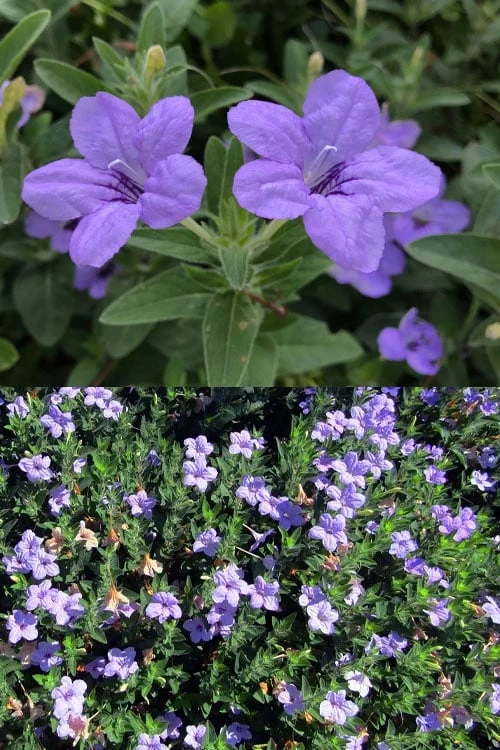
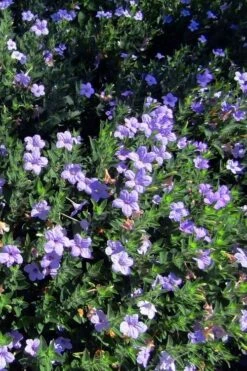
Growth Habit / Form: Mounding
Growth Rate: Moderate to Fast
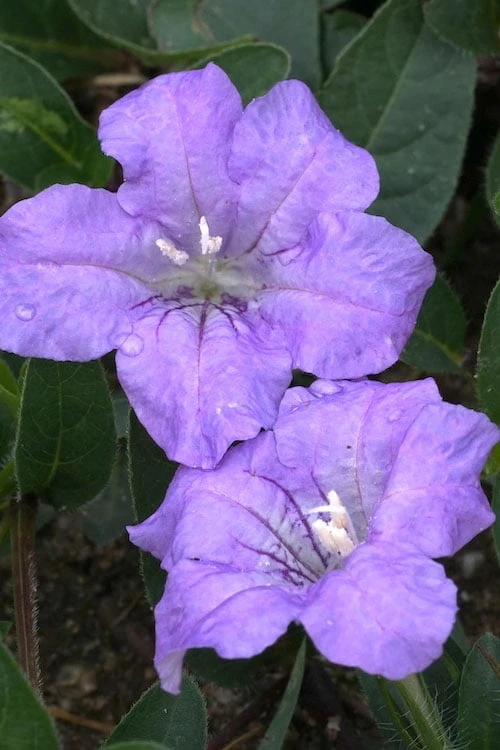
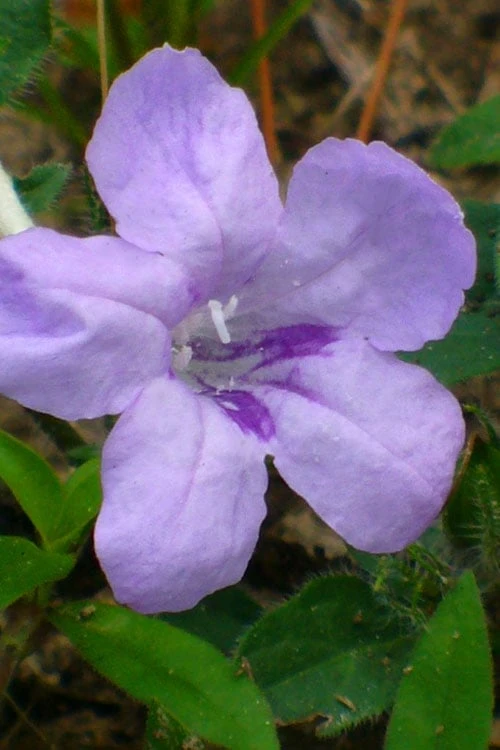
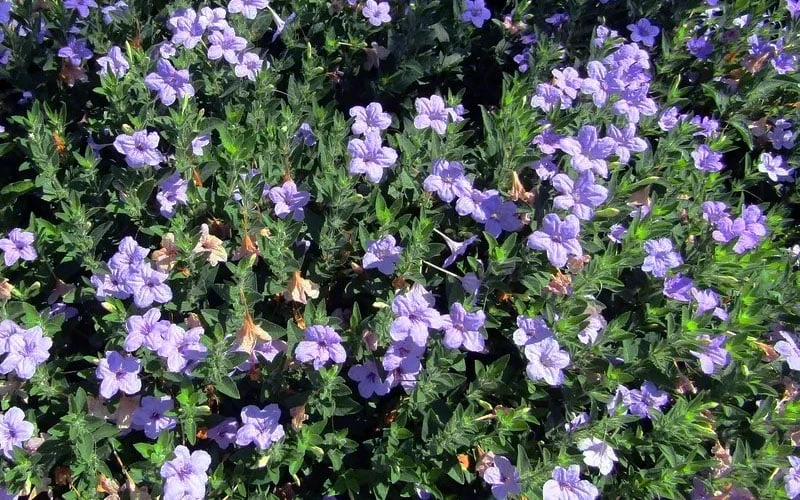
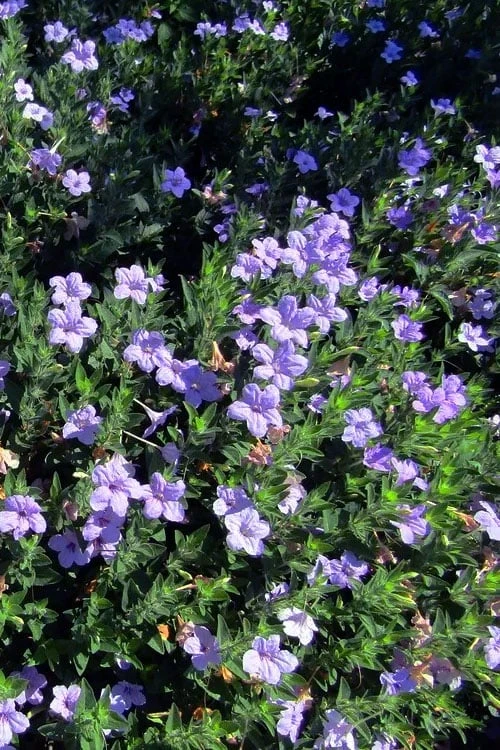
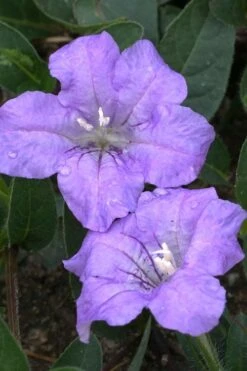
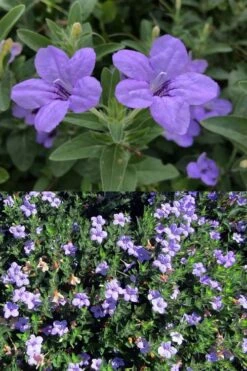
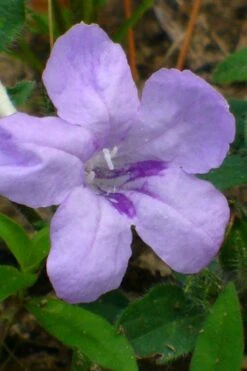
Flower Color: Lilac to Lavender
Flower Size: 3″ Long
Flowering Period: Late Spring through Early Fall
Flower Type: Single, Tubular
Fragrant Flowers: No
Foliage Color: Olive Green
Fragrant Foliage: No
Berries: No
Berry Color: No
Sun Needs: Full Sun to Part Shade
Water Needs: Average, Low when established
Soil Type: Clay, Loam, Sandy, Silt
Soil Moisture / Drainage: Moist But Well Drained to Dry
Soil pH: 6.0 – 7.5 (Moderately Acid to Slightly Alkaline)
Maintenance / Care: Low
Attracts: Butterflies, Hummingbirds, Beneficial Pollinators
Resistances: Cold Temperatures (-30F / Zones 4-8), Deer – more info, Disease, Drought, Dry Soil, Heat, Humidity, Insect
Description
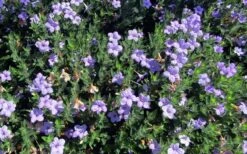
Ruellia humilis is tough but pretty and an easy-to-grow North American native flowering perennial with a long bloom period from late spring through early fall. Though it’s not really a petunia, like its cousin the Mexican Petunia (Ruellia simplex), it features abundant, lilac to lavender tubular, bell-shaped, petunia-like flowers from May to about October in our gardens. Butterflies, hummingbirds and a variety of beneficial pollinators will flock to the flowers. The plant grows from 1 to 2 feet tall and equally as wide, however will spread from seed to form colonies. Therefore, we suggest using it as a filler in garden beds or as a naturalizing groundcover or border in sunny to partially shaded woodland borders or prairie, meadow or wildflower gardens. Extremely low maintenance, it thrives in sites with moist but well draining to dry soils and full sun to partial shade.
Wildlife Benefits
Wild Pentunia attracts a wide variety of insect pollinators, but the lavender blooms are especially attractive to long tongued bees and butterflies. It is also a host plant for the Common Buckeye butterfly.
Landscape & Garden Uses
Fringeleaf Wild Petunia is an adaptable and versatile flowering perennial plant that is ideal for use as a filler in garden beds or for naturalizing in sunny woodland borders, prairie and meadow gardens, cottage gardens, native gardens and wildflower gardens. Great as a solo or mixed with other plants in pots, planters and other containers.
Suggested Spacing: 2 feet apart for groupings or mass plantings
How To Measure Total Square Feet Of A Planting Area
How Many Plants Needed To Cover A Planting Area?
Growing Preferences
Fringeleaf Wild Petunia is exceptionally easy to grow and care for in a moist but well drained to dry soil of average to low fertility and full sun to part shade. It is very drought tolerant when established. We suggest at least 4 hours of direct sunlight per day for best flowering.
Note: Find helpful advice from our experts under the Planting & Care tabs above on desktop monitors and below on mobile devices.
Plant Long & Prosper!
Meet The Wilson Brothers & Staff
Questions? Contact Us!
Be the first to review “Fringeleaf Wild Petunia (Ruellia Humilis) – 1 Gallon Pot”
Related products
Sale!
GROUNDCOVER PLANTS
Original price was: $59.97.$41.98Current price is: $41.98.
Sale!

FRAGRANT PLANTS
Original price was: $108.85.$76.20Current price is: $76.20.
Sale!
Original price was: $89.97.$62.98Current price is: $62.98.
Sale!
Original price was: $169.97.$99.99Current price is: $99.99.
Sale!
FRUIT TREES & PLANTS
Original price was: $49.97.$34.98Current price is: $34.98.
Sale!
Original price was: $159.97.$99.99Current price is: $99.99.
Sale!
PLANTS & TREES
Original price was: $109.97.$76.98Current price is: $76.98.
Sale!
PLANTS & TREES
Original price was: $169.97.$96.99Current price is: $96.99.
Reviews
There are no reviews yet.